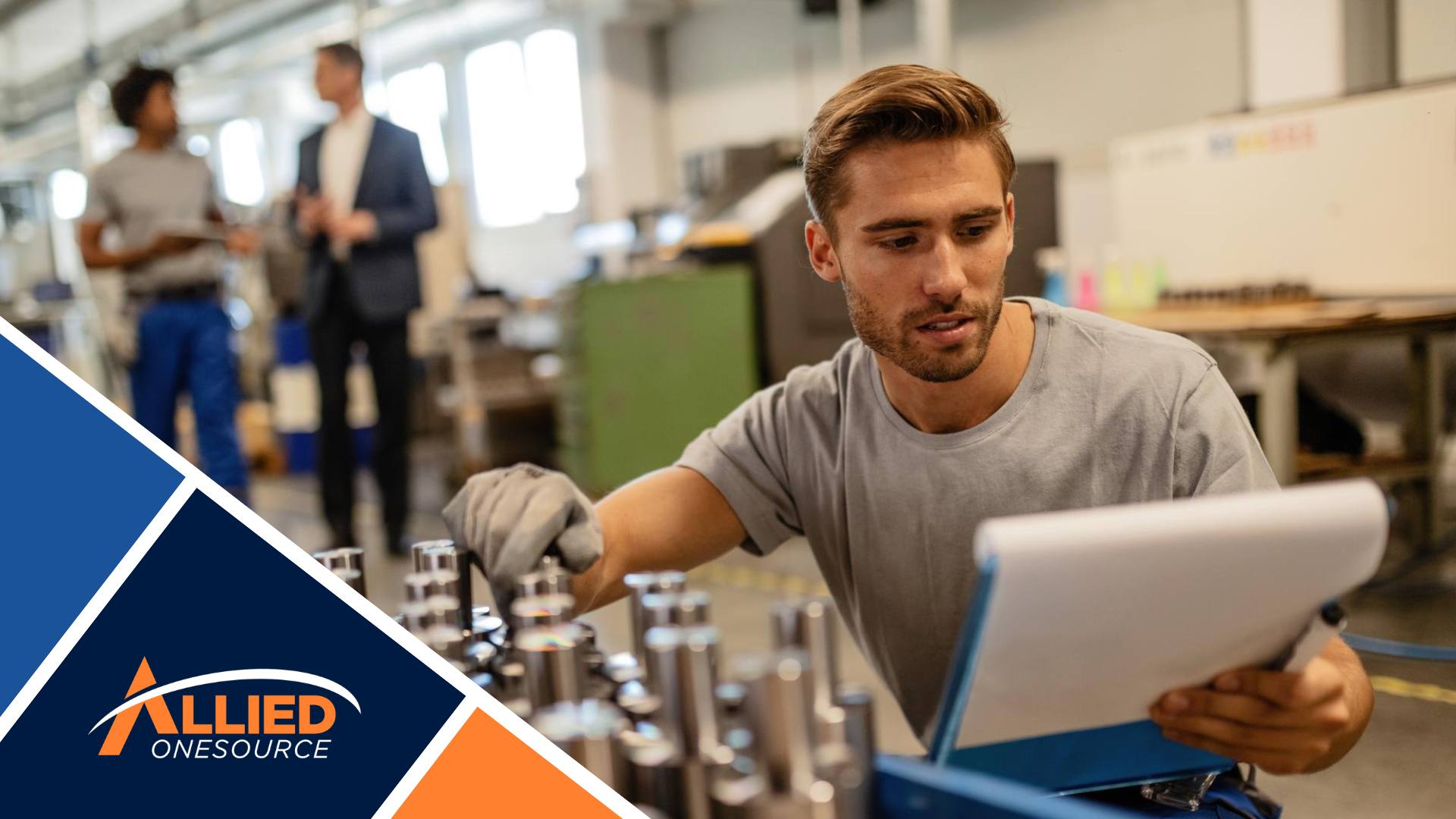
Manufacturing floors are changing. Equipment now connects to networks, sensors track performance in real time, and AI systems predict when machines will fail. These technological shifts require a new type of technician on the factory floor.
Traditional mechanical and electrical skills still matter, but technicians who can also read sensor data, interpret AI diagnostics, and respond to predictive alerts are becoming essential. This combination of hands-on expertise and digital fluency creates immediate value for manufacturers and higher earning potential for workers who develop these skills.
How AI Transforms Technician Work
AI doesn't replace technicians. It changes their daily responsibilities. Modern manufacturing equipment generates diagnostic data continuously, and AI systems analyze this data to spot patterns humans might miss. They flag unusual vibrations, detect temperature changes, and predict component failures before breakdowns occur.
However, these AI systems require human oversight. Someone must interpret the alerts, validate the recommendations, and take corrective action. Technicians who can bridge machine intelligence and hands-on repair keep production lines running. They reduce downtime by catching problems early, lower costs by preventing emergency repairs, and improve quality by maintaining optimal equipment performance.
This operational impact explains why manufacturers are willing to pay more for these hybrid skills.
AI-Fluent Roles Command Clear Salary Premiums
The compensation shift is measurable. According to our 2026 Manufacturing Salary Guide, companies are paying 15 to 25 percent more for technicians with AI capabilities compared to those with traditional skills alone. This premium appears consistently across regions and company sizes, reflecting genuine market demand rather than isolated cases.
Three technician specialties show the steepest salary increases. Each role demonstrates how AI fluency translates into quantifiable business outcomes.
Read More: Hiring for the Future: How AI and Predictive Analytics Are Changing Workforce Planning
Predictive Maintenance Specialists
These technicians interpret AI-generated equipment health scores, validate anomaly detections, and schedule interventions that prevent breakdowns. Every avoided failure saves thousands in lost production time and emergency repair costs.¹ This direct bottom-line impact justifies compensation premiums of 20 to 30 percent above traditional maintenance roles.
Automation and Controls Specialists
These technicians tune AI-informed control loops, troubleshoot robot-to-controller communication, and ensure autonomous equipment operates within specifications. Their expertise keeps interconnected smart factory systems functioning reliably, commanding salaries 18 to 25 percent higher than conventional controls positions.
AI-Fluent Equipment Operators
Beyond running machines, these operators understand AI dashboards that monitor production quality and equipment performance. They collaborate with engineering to interpret alerts, optimize output, and reduce scrap by catching quality issues early. Companies pay 12 to 18 percent more for operators who can work effectively with these intelligent systems.
What Drives the Salary Premium
Multiple factors create the compensation gap between traditional and AI-skilled technicians. Understanding these drivers helps explain why the premium exists and why it continues to grow.
Talent scarcity: Finding workers with both deep mechanical knowledge and data literacy remains difficult. Traditional training programs haven't caught up with industry needs, making qualified candidates rare and expensive.
Operational speed: Technicians who understand AI alerts reduce mean time to repair significantly. They diagnose and prioritize issues immediately without escalating every diagnostic message, directly impacting production continuity and profitability.
Read More: Stay Ahead with Workplace Transformations
Regulatory requirements: As automation increases, compliance documentation requirements multiply. Technicians who validate that AI recommendations meet safety standards provide measurable risk mitigation value that justifies higher compensation.
Cross-functional value: AI-fluent technicians bridge operations, engineering, and IT departments. They translate technical problems across specialties and implement coordinated solutions, multiplying their organizational impact.
Market pressure: With most manufacturers already adopting AI tools and nearly all planning increased investments this year, demand for hybrid-skilled workers far exceeds supply. When hiring timelines are urgent and talent is scarce, wages rise accordingly.
How to Build An AI-Ready Workforce
Addressing this talent gap requires more than competitive wages. According to Gallup, only 26 percent of employees believe their company supports their growth.² Workers want development opportunities that increase their long-term value, making training and career pathing as important as salary.
Make AI Skills Explicit in Job Descriptions
Include specific requirements like experience with predictive maintenance platforms, familiarity with sensor data interpretation, and ability to validate AI-driven fault detection. Clear expectations attract qualified candidates and show current employees which capabilities lead to advancement.
Develop Hybrid Training Pathways
Combine mechanical training with data literacy modules. Teach dashboard interpretation and anomaly triage to convert high-performing traditional technicians into predictive maintenance specialists. Structured programs can accomplish this transition within six to twelve months.
Align Compensation with Measurable Impact
Link pay increases to outcomes like reduced downtime or improved mean time to repair. Offer conversion bonuses when operators complete AI certification programs and advance into automation roles. This approach rewards capabilities that matter most to operations.
Establish Clear Career Progression
Map specific pathways showing how equipment operators can become automation technicians within 12 to 24 months. Include training requirements, skill milestones, and advancement timelines. Transparent progression improves retention and motivates skill development.
Work with Specialized Staffing Partners
At Allied OneSource, we understand the unique challenges of sourcing hybrid technical talent. We identify candidates who combine field experience with technological aptitude and assess AI diagnostic capabilities before interviews. Our market intelligence ensures your compensation offers remain competitive as demand continues rising.
Download our Salary Guide for comprehensive insights into 2026 workforce planning strategies and emerging hiring trends.
Preparing for 2026 and Beyond
The manufacturing labor market increasingly rewards workers who operate at the intersection of mechanical expertise and digital intelligence. Our 2026 Manufacturing Salary Guide data confirms this trend will intensify as AI adoption accelerates. Treating AI as merely a technology project misses the fundamental challenge of having people who can extract value from these systems.
Allied OneSource helps manufacturers build workforces ready for AI-enabled operations. We translate complex role requirements into effective job descriptions and provide current compensation data so your offers reflect market realities.
Contact Allied OneSource today to discuss your hiring strategy and learn how we can help you compete for the AI-skilled technicians driving modern manufacturing success.
References
- National Institute of Standards and Technology. (2025, May 29). The rise of artificial intelligence in U.S. manufacturing. U.S. Department of Commerce. https://www.nist.gov/mep/manufacturing-infographics/rise-artificial-intelligence-us-manufacturing
- Lorenz, Emily. "Employee Upskilling Is Vital in Rapidly Evolving Job Market." Gallup, 19 Nov. 2024, https://www.gallup.com/workplace/653402/employee-upskilling-vital-rapidly-evolving-job-market.aspx