Most warehouse operations are already running some form of automation. Inventory systems flag discrepancies before a human notices them. Scheduling software adjusts staffing in real time. Forklifts move through facilities alongside autonomous guided vehicles. The technology is in place, but the hiring strategy in most operations hasn't kept pace with what that technology requires from the people working alongside it.
The gap isn't about whether to adopt AI. That decision has largely been made across the industry. The more pressing question is whether your current approach to hiring reflects what your facility looks like today and what roles it needs to run effectively.
AI in the Warehouse Is Already the Norm
The conversation about AI in warehouse operations has moved past the planning stage. For most facilities, it is already running.
Most Warehouses Are Already Running It
More than nine out of ten warehouses now use AI or advanced forms of automation.1 For operations managers still treating adoption as a future consideration, that number reframes the timeline. The relevant question is no longer whether AI belongs in your facility. It is whether your workforce is structured to work with what you have already deployed or are about to.
AI Now Owns the Repetitive Work
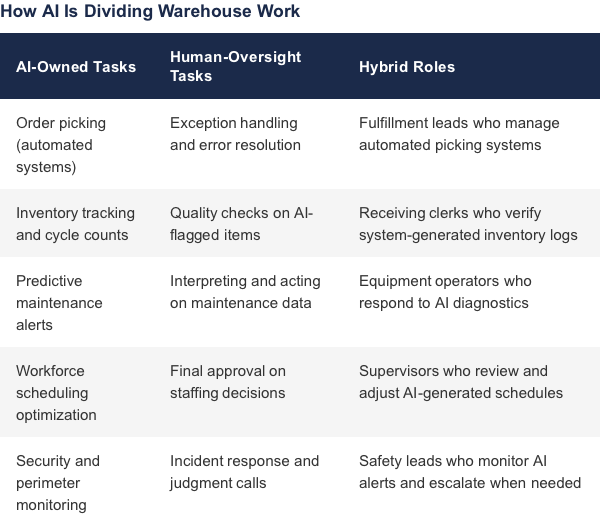
The tasks AI has absorbed in most warehouse environments follow a clear pattern. Order picking through automated systems, inventory tracking and cycle counts, predictive maintenance alerts, workforce scheduling, and perimeter monitoring have all shifted toward automation in facilities that have moved beyond early-stage deployment.
These are high-volume, rule-based tasks where speed and accuracy matter more than judgment. That shift is precisely what has changed the human role in warehouse operations.
Headcount Has Not Dropped — It Has Shifted
The assumption that automation reduces headcount has not held in practice. More than half of companies that introduced AI have hired more staff since adoption, with new roles including automation specialists, process optimization experts, and systems coordinators becoming increasingly common.¹ The workforce did not shrink. Its job description changed. That distinction matters when you are deciding what to post, who to screen for, and what skills to prioritize.
AI, Humans, and the Roles That Sit Between
The shift from fully manual to partially automated operations has not eliminated human roles; it has reorganized them. Here is where the division currently lands in most warehouse environments.
What to Actually Hire For Now
Understanding the shift is one thing. Adjusting your hiring approach to match it is where most operations fall short.
AI Still Needs a Human Safety Net
Automation has not reduced the need for human judgment in warehouse environments. Only 17% of U.S. adults say workplace AI is reliable without human oversight. In a warehouse context, that translates directly into operational risk.² A misrouted shipment, a missed inventory flag, or a maintenance alert that nobody acted on each carry real costs.
The oversight role is not a formality. It is a functional requirement, and it needs to be filled by someone who understands both the system generating the alert and the operation it is monitoring.
Read more about our AI framework here
The Skill Profile Has Changed
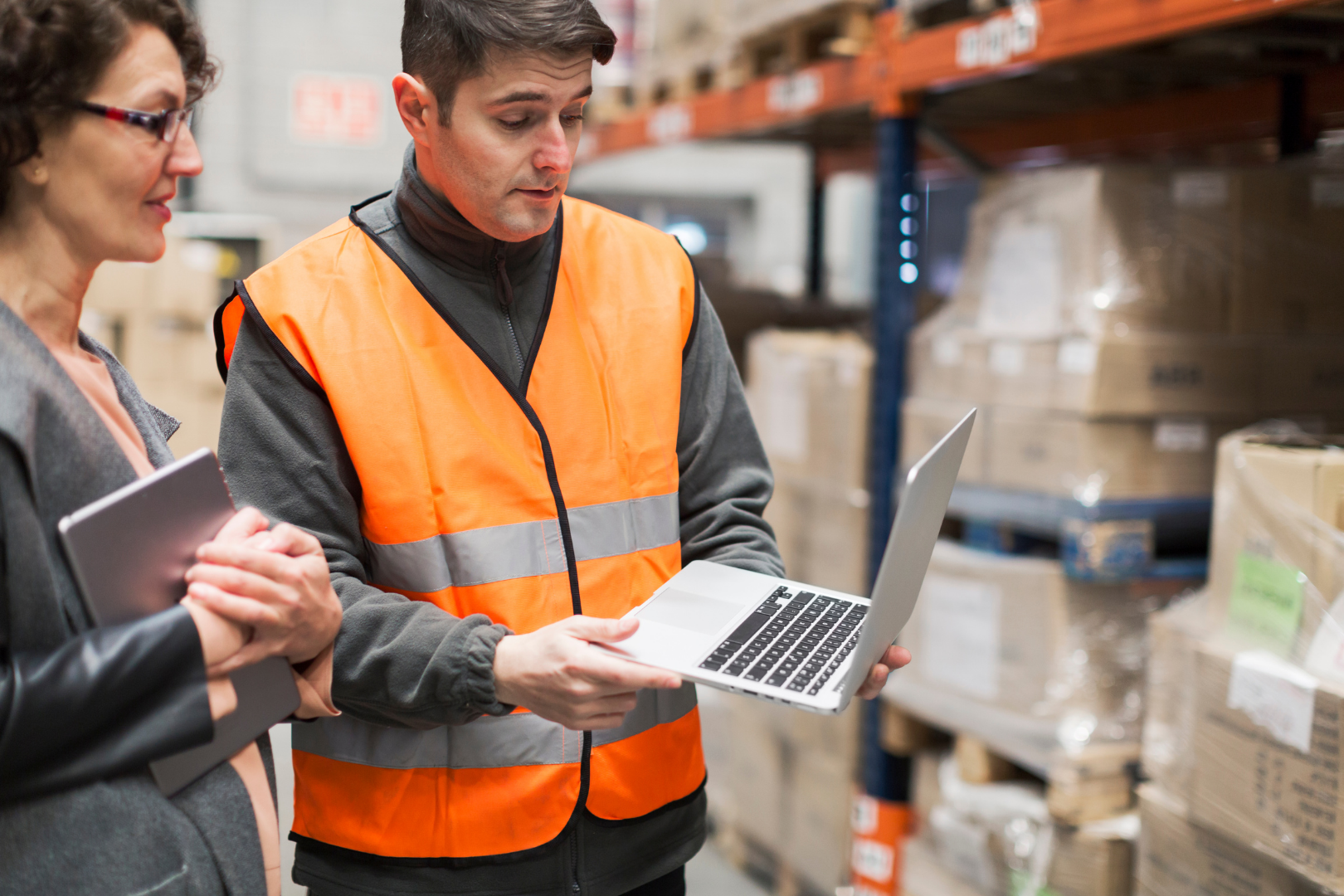
The technical floor for warehouse roles has risen across the board. A forklift operator now works alongside automated systems and needs to understand when those systems are behaving outside normal parameters. A fulfillment lead troubleshoots warehouse management software errors, not just personnel issues.
A receiving clerk verifies system-generated inventory logs rather than paper records alone. These are not entirely new roles. They are existing roles with a wider set of requirements. Hiring to the profile from three years ago leaves gaps that affect throughput, accuracy, and oversight coverage.
Your Job Descriptions Probably Have Not Caught Up
Most warehouse job postings have not been updated to reflect what these roles actually require. If your fulfillment associate description still reads like a 2019 spec, you will attract candidates who fit the old role and screen out the ones who fit the current one. Review your postings for three things: whether tech familiarity is listed as a requirement rather than a preference, whether oversight responsibilities are clearly described, and whether the skills language reflects what someone actually does on your floor today.
Work With a Staffing Partner Who Knows the Difference
Posting updated job descriptions is one part of the adjustment. Finding candidates who match the new profile is another. A staffing partner who understands how automation has changed warehouse role requirements can narrow the candidate pool to people who fit what your operation actually looks like, not a generic warehouse template.
Contract-to-hire is worth considering here. It gives you the opportunity to evaluate a candidate's actual performance in an automated environment before making a permanent commitment, which reduces the cost of a profile mismatch.
Hire for the Warehouse You Have, Not the One You Had
Warehouse roles look different than they did three years ago, and the candidates who perform well in automated environments have a different profile than those who thrived before automation was standard.
Allied OneSource works with warehouse and operations clients to identify what that profile looks like for their specific facility and source candidates who match it. If your hiring approach has not kept pace with your operation, that is a practical problem with a practical fix. Reach out to us to start building a workforce that fits the floor you actually have.
References
1. "60 Per Cent of All Warehouses Now Use AI." Supply Chain Movement, 9 Jan. 2026, www.supplychainmovement.com/60-per-cent-of-all-warehouses-now-use-ai/.
2. Ewen, Lara. "AI Output Will Increasingly Require More Oversight, Workers Report." HR Dive, 24 Feb. 2026, www.hrdive.com/news/workplace-ai-not-reliable-human-oversight/812949/.