The short answer: A substitute budget built on one day rate prices absences, not assignments. States limit how long a substitute may stay in one assignment, and each counts it differently. In Illinois, a short-term licensee may cover only 5 consecutive days per teacher. Past that limit a district needs a differently licensed substitute, often at a separate long-term rate.
This guide is written for district HR and business-office leaders who own the substitute line item, not for substitutes looking for classroom work.
In this guide:
- Why Doesn't "We Have Coverage" Mean What the Substitute Budget Assumes?
- How Do You Build a Substitute Line Item That Survives a Long Leave?
- How Five States Set the Long-Term Substitute Rules
- When a Leave Starts: Three Moves in the First Ten Days
- Three Numbers That Show Whether Your Coverage Line Is Priced Right
- Frequently Asked Questions
- A Long Leave Is a Budget Event, Not Just a Staffing One
- References
In Chicago, the share of teachers absent more than 10 days a year rose from 36% to 43% between 2019 and 2023 (Brookings, 2025). That measure counts total days missed, not single long leaves. It still means more absence to cover than a pre-pandemic budget assumed. Some of that absence is likely to be long.
The gap worth naming is that the rules for a long assignment are not national. States limit substitutes by consecutive days covering one teacher, by days in one school, or by days in one classroom placement, and some leave it to districts. A budget written once in the spring, on one rate, has no place to put any of that.
This guide covers why the single-rate line breaks and how to rebuild it around absence length. It then maps how five states set their rules, the first ten days of a leave, and the three numbers that show the line is priced right. Every state rule comes from that state's own agency, statute or legislature.
Why Doesn't "We Have Coverage" Mean What the Substitute Budget Assumes?
"We have coverage" usually means an adult can be in the room tomorrow. It rarely means keeping a qualified adult there for a semester. In the state data Brookings studied, teacher absence rose about 20% to 50% above pre-pandemic levels outside the Clark County, Nevada district, with South Carolina rising less (Brookings, 2025). That is more to price.
The single-rate budget treats every absence day as interchangeable. A flu day and the fortieth day of a medical leave cost the same on paper. In practice they can differ, because the second may have passed a state's limit on how long one substitute can stay.
New York City shows how fast the mix can shift. The share of its teachers counted as chronically absent went from 13% in fiscal 2019 to 19% in 2023 (Brookings, 2025). More chronic absence raises the odds that one absence runs long.
The supply side is no softer. At least 411,549 teaching positions were unfilled or held by teachers not fully certified for them, about 1 in 8 nationally (Learning Policy Institute, 2025). A long assignment that needs a certified substitute is likely to draw on that same short supply. Plan for that.
How Do You Build a Substitute Line Item That Survives a Long Leave?
A durable substitute line rests on three foundations. Price absences by length, not count. Key the length bands to your state's own limits. Reserve a separate amount for the leave that becomes a vacancy. Federal FMLA alone allows up to 12 workweeks of leave (U.S. Department of Labor). That is roughly 60 school days.
1. Price by length, because the count hides the cost
Many budgets treat absence days as one pool. Splitting the same days into short assignments and long assignments can change the total when long ones carry a higher rate. In Quincy, Illinois, the 2025-26 schedule pays a certified daily substitute $155. The long-term rate is $200 once an assignment reaches 10 or more consecutive days in the same room (Quincy Public Schools, 2025). That is a 29% jump for one classroom.
2. Key the bands to your state, not to a national rule of thumb
A five-state footprint means five different rules. Write the band breaks into the budget using the state's own numbers, and cite the agency page in the budget notes. When a business officer asks why the long-term band starts where it does, the answer should be a rule on record.
3. Hold a line for the leave that does not come back
When a leave ends in a resignation, the cost is no longer coverage; it is recruitment. Districts spend about $12,000 to $25,000 for every teacher who leaves, depending on district size (Learning Policy Institute, 2025). A small reserve labelled for that outcome keeps it from being pulled out of whatever line is easiest to raid. Our
turnover cost breakdown walks through that math, and the
hiring model comparison helps decide how to backfill. Budget it before you need it.
Pull last year's three longest absences. Did each one get paid from the substitute line, or borrowed from another? A borrowed line means the leave budget was never built, only absorbed. Want a second read on where it went? Compare notes with us.
How Five States Set the Long-Term Substitute Rules
The governing rule is simple: the state decides what a substitute's time limit counts, and the units differ. Illinois counts consecutive days covering one teacher, Arizona counts days in one school, and Florida counts days in one classroom placement. The table below shows which unit your budget bands should follow in each state.
| State | What the rule turns on | The rule on record |
|---|---|---|
| Illinois | Consecutive paid days covering one licensed teacher | Short-term license: 5 days. Substitute license: 90 days. With a Professional Educator License: 120 days |
| Arizona | Days in the same school per year | Emergency substitute certificate: 120 days |
| Florida | Days in a single classroom placement | 30 or more days triggers a district performance appraisal of the substitute |
| Colorado | The credential behind the authorization | 1-year, 3-year and 5-year substitute authorizations, tiered by credential |
| South Carolina | District policy | Set by each district; a 2026 House bill would require a written policy |
Each row comes from that state's own education agency, statute or legislature, listed in the references. In Colorado, the 3-year authorization requires a bachelor's degree and the 5-year requires a teacher license (Colorado Department of Education, 2026). Colorado's checklist tiers by credential, not by days.
Why does the unit matter? Because a band built on the wrong count misfires. Arizona's limit follows the certificate holder's days in one school (Arizona Department of Education). By that count, a substitute rotating through one building could approach it without any single long assignment. Florida's appraisal duty attaches to one substitute's days in one placement (Florida Statutes, 2025).
Some states set the rate as well as the rule. Outside this footprint, Oregon's 2025-26 state minimum is at least $221.02 a day. For assignments over 10 days, it ties the rate to the district's beginning-teacher salary (Oregon Department of Education, 2025). One useful move: anchor the long-term band to a published rate. Last year's average is the wrong anchor.
When a Leave Starts: Three Moves in the First Ten Days
Three moves in the first ten days keep a long leave from becoming a surprise. Classify the absence, place a properly licensed long-term substitute before the limit, and write the assignment as a job order. Illinois caps a full substitute license at 90 consecutive days per teacher (Illinois State Board of Education). Know your limit first.
- Classify the absence on day one. Estimate how long it will run, then compare that to your state's limit.
- Move to a properly licensed long-term candidate before the limit, not on it. In Illinois, a known two-week leave outruns the short-term license from the start.
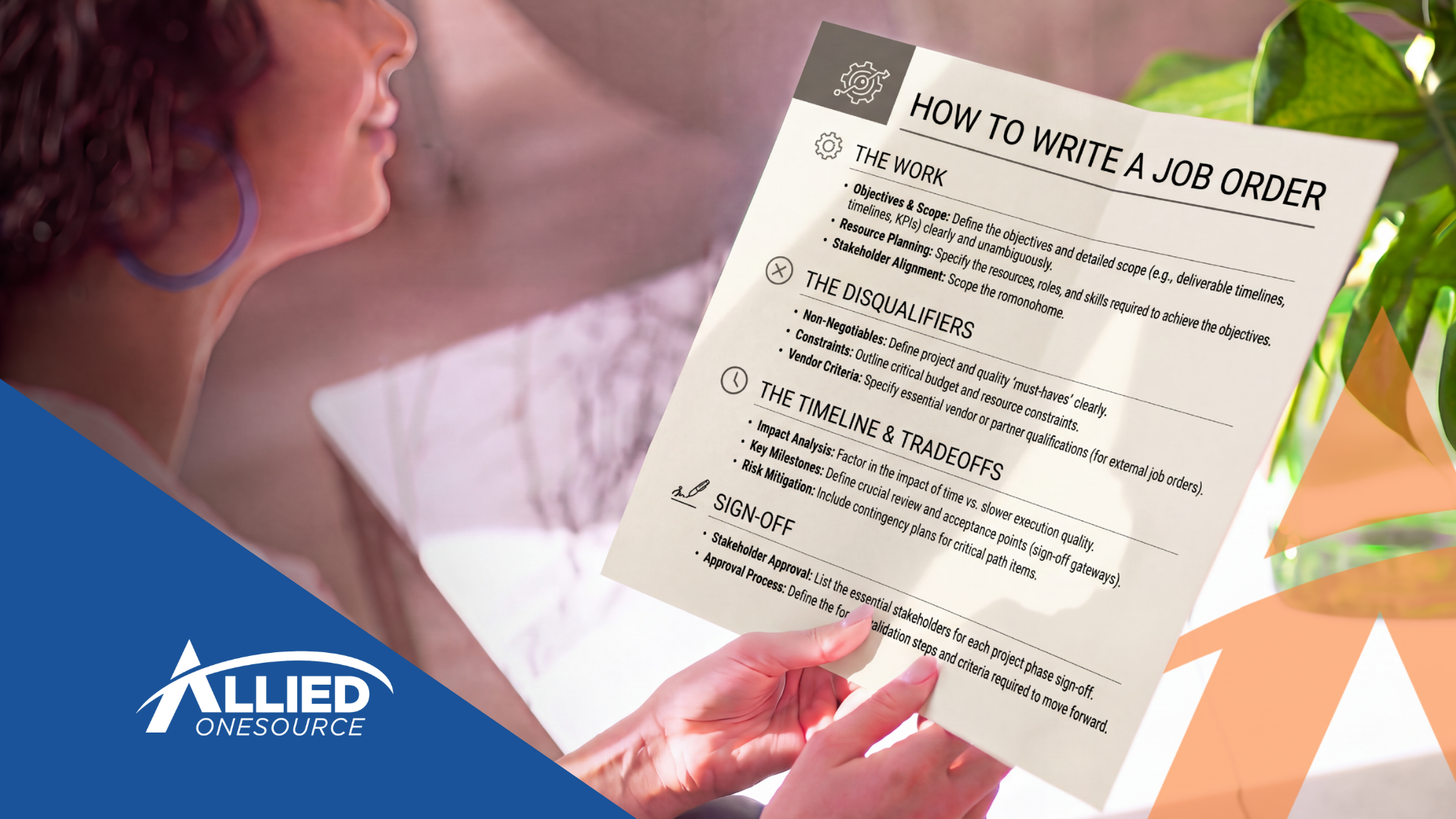
- Write the assignment as a job order, not a sub request. A clear job order names the grade, subject, expected length and required license.
Automate the reminder, never the decision. An alert when an open absence passes day five is worth automating. Deciding who stands in front of a class for a semester is not.
Did your last long absence get a properly licensed substitute before your state's limit, or after it? After means paying the long-term rate without having chosen the person. Check the dates. Not sure it was early enough? Ask what we'd check.
Three Numbers That Show Whether Your Coverage Line Is Priced Right
Three numbers show whether a substitute line matches reality: long-term days as a share of all substitute days, the gap between budgeted and actual daily rate, and repeat absence by teacher. In Arkansas, each extra absence day in one year was associated with about 0.22 more days the next (University of Arkansas Office for Education Policy, 2026).
Set a baseline for all three before the spring budget, then read the first two together. If long-term days are rising but the rate gap is flat, the bands are working and the line simply needs more volume. If the rate gap is rising while long-term days are flat, either assignments are being moved to long-term rates late or the rates themselves rose. Check the posted schedule before blaming timing.
The third number is the early warning. In the Arkansas data, teachers with more absence days one year tended to have more the next, which makes repeat absence worth tracking as a planning input. Track all three monthly, and keep the true cost of hiring visible beside them. Waiting for year-end blurs the cause.
Frequently Asked Questions
What is a long-term substitute teacher?
A long-term substitute covers one assignment past the point where a state or district treats it as more than day-to-day coverage. Where that point sits depends on the state. Long-term assignments often require a higher license and, in many districts, pay a separate daily rate.
Do long-term substitutes get paid more than daily subs?
Usually, where the district publishes a separate long-term rate. That rate typically starts after a set number of consecutive days in the same assignment. So the trigger in your own salary schedule decides when a long leave starts costing more.
Can a substitute teacher cover a maternity leave?
Yes, if the substitute holds the license the state requires for an assignment of that length. A leave of several weeks can pass the short-term limit in some states. Planning for a substitute who already holds the right license avoids a mid-leave switch.
Who decides how long a substitute can stay in one classroom?
The state sets the outer limit through its licensing rules or statute. Districts set their own policies inside that limit, and in states without a statewide rule, district policy is the only rule.
Should a school district use a staffing agency for substitutes?
It can make sense when a district needs licensed long-term coverage faster than its own pool can supply it. The district still owns the classroom and the hiring decision; an agency supplies screened candidates for the role the district defines.
A Long Leave Is a Budget Event, Not Just a Staffing One
Picture next spring's budget with the long-term line in it: daily rates for short absences, the long-term rate past your state's limit, a reserve for the vacancy. An older estimate put absence costs at $1,800 per teacher for 2012-13 (NCTQ via University of Arkansas Office for Education Policy, 2026). Absence rose after 2019.
The classrooms, the budget and the hiring decisions are yours. Finding and screening licensed substitutes for short and long assignments is what our district staffing team does. We screen each one against the grade, subject, length and license your job order names. If a long leave is already on next semester's calendar, plan coverage with us.
References
- "State data shows K-12 teacher absences surged post-pandemic." Brookings Institution, Brown Center on Education Policy (Michael Hansen, Purnima Aggarwal, Rebecca Wagner; compiling state report card data from Connecticut, Illinois, Nevada and South Carolina, and New York City and Chicago records). Published May 19, 2025. Verified live 2026-10-13.
- "An Overview of Teacher Shortages: 2025." Learning Policy Institute. Published July 16, 2025. Verified live 2026-10-13.
- "Family and Medical Leave Act." U.S. Department of Labor, Wage and Hour Division. Published undated. Verified live 2026-10-13.
- "Substitutes." Quincy Public Schools, Quincy, Illinois (2025-2026 and 2026-2027 rate schedule). Published undated. Verified live 2026-10-13.
- "Substitute Licenses." Illinois State Board of Education. Published undated. Verified live 2026-10-13.
- "Emergency Substitute Certificate." Arizona Department of Education. Published undated. Verified live 2026-10-13.
- "Section 1012.35, Substitute teachers." The Florida Senate, 2025 Florida Statutes. Published undated (2025 edition of the Florida Statutes). Verified live 2026-10-13.
- "Substitute Authorizations Checklist." Colorado Department of Education. Published September 28, 2026. Verified live 2026-10-13.
- "H.5171, Uniform Substitute Teacher Policies." South Carolina General Assembly, 126th Session. Published February 11, 2026. Verified live 2026-10-13.
- "2025-26 Substitute Teacher Minimum Pay Rates." Oregon Department of Education. Published May 19, 2025. Verified live 2026-10-13.
- "Teacher Attendance in Arkansas Public Schools: Trends and Workforce Differences." University of Arkansas, Office for Education Policy (compiling research including an NCTQ estimate of district absence costs for 2012-13). Published May 12, 2026. Verified live 2026-10-13.