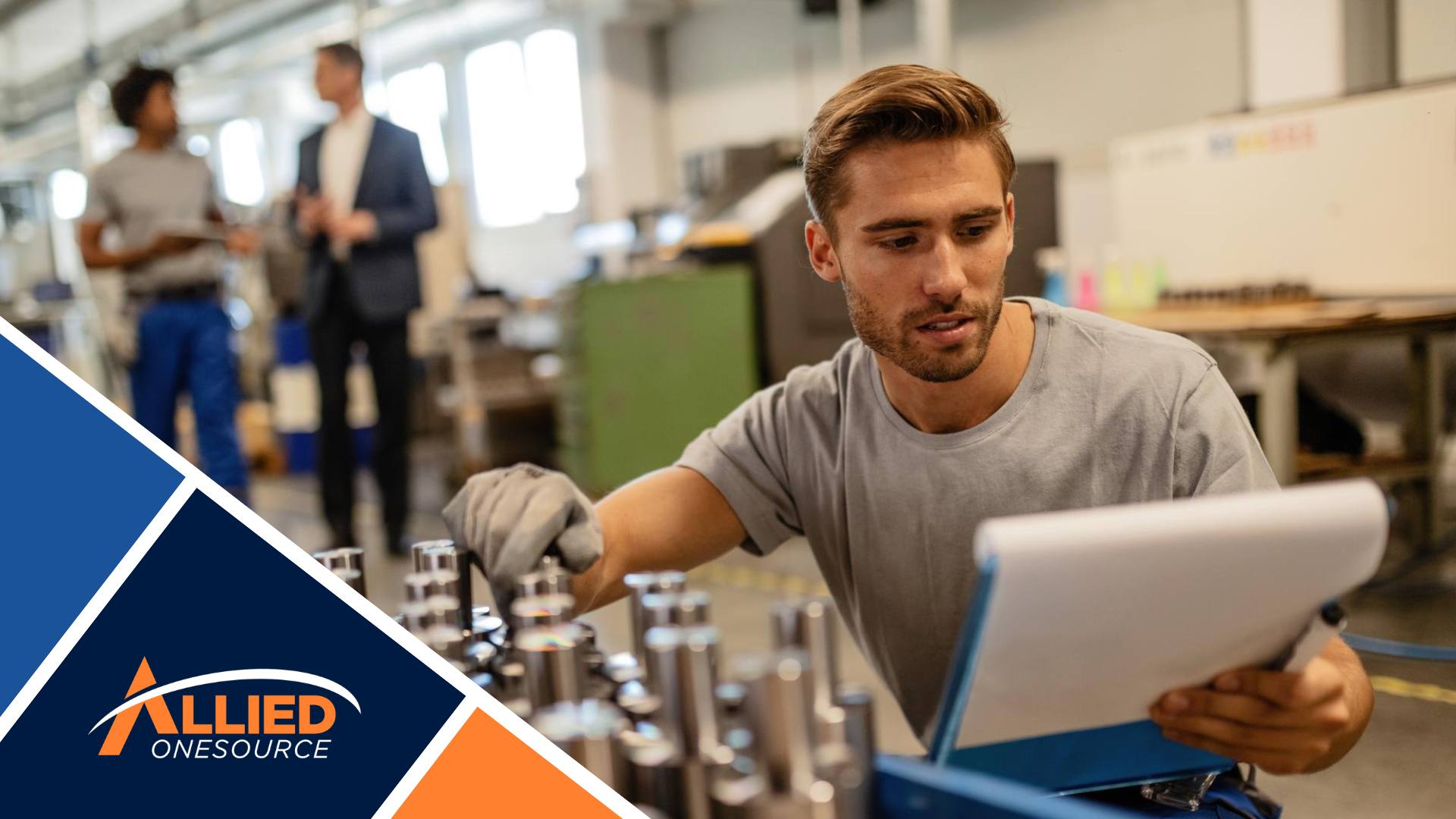
The skilled trades are hiring and for women looking for stable, well-paying careers, that means opportunity. From manufacturing floors to construction sites to HVAC installation teams, demand for skilled workers is outpacing supply. At the same time, women's participation in these fields is growing faster than it has in decades.
More women are choosing careers that offer strong wages, no student debt, and clear advancement paths without requiring a four-year degree. This isn't just about filling gaps in the workforce. It's about seizing careers that deliver real financial stability and long-term growth.
Here's why skilled trades are becoming a top choice for women in 2026 and how to start or grow your career in this field.
Why Women Are Choosing Skilled Trades Now
The shift toward skilled trades isn't just about jobs being available but about what these careers actually deliver.
Read More: Nobel Laureate Claudia Goldin and Her Transformative Work in Women's Labor Market Studies
Strong Wages Without Student Debt
Skilled trades offer competitive pay without the financial burden of a four-year degree. CNC machinists earn $41,400 to $79,695, maintenance technicians earn $39,848 to $64,170, and field service technicians earn $39,178 to $85,552.
Many entry-level office jobs requiring a bachelor's degree pay similar or less but come with $50,000+ in student loan debt. For more information about wages, download our Salary Guide.
Apprenticeships let you earn while you learn, getting paid from day one instead of paying tuition. And pay equity is better here than most fields. Women in construction earn about 95% of what men earn, compared to just 81% across other sectors.¹
High Demand, Low Competition
The trades face a significant labor shortage, creating real opportunity for women. Over 500,000 manufacturing jobs alone sit unfilled, with similar gaps in construction, electrical work, and HVAC.¹ An aging workforce is accelerating the problem; five tradespeople retire for every two entering the field.
This means less competition, since women currently make up only 4.3% of construction tradespeople, you're not fighting hundreds of applicants for the same position.² Federal infrastructure spending and green energy are driving sustained demand, particularly in solar installation, wind turbine maintenance, and energy-efficient systems.
Growing Representation Improving Workplace Culture
Women's participation in construction trades grew 28.3% from 2018 to 2023, reaching the highest levels ever recorded.² That growth matters because more women in the field means better workplace culture, stronger mentorship networks, and companies actively recruiting female tradespeople.
Apprenticeship programs are increasingly focused on creating welcoming environments for women. As representation grows, outdated stereotypes are breaking down, and companies are investing in policies that make trades careers accessible and sustainable for women at every stage.
How to Start or Advance in Skilled Trades Careers
Breaking into skilled trades or moving up within them doesn't require years of preparation. It requires knowing where to start and what paths actually lead somewhere.
Read More: Your First Job in 2026 Starts with These 3 Steps
Start with Apprenticeships
Apprenticeship programs are the fastest path into trades. You earn a paycheck from day one while learning on actual job sites under experienced tradespeople. Most programs last two to four years, combining hands-on work with classroom instruction, and you're not paying tuition, you're getting paid to develop skills.
Search registered apprenticeships through Apprenticeship.gov or contact local unions for electrician, plumber, and pipefitter programs. Many have strong job placement rates after completion.
Get Certified in High-Demand Trades
If apprenticeships feel too long-term, trade schools and community colleges offer shorter certification programs. HVAC installation, welding, and CNC machining certifications take months, not years, and get you into the workforce faster.
Popular entry points for women include electrical work, HVAC, welding, plumbing, and carpentry. These trades prioritize precision and problem-solving over physical strength; electricians troubleshoot systems, HVAC techs diagnose mechanical issues, welders need steady hands and attention to detail.
Advance Through Specialization
Already working in a trade? Additional certifications increase your earning potential and make you harder to replace. Moving from apprentice to journeyman to master tradesperson opens higher pay and supervisory roles. Specialized certifications, like certified welding inspector or HVAC EPA certification for refrigerant handling set you apart from general tradespeople.
Move Into Leadership Roles
Project management, site supervision, and quality control roles let you leverage hands-on experience while managing teams. Construction site supervisors, maintenance managers, and union leadership positions all draw on trade skills without requiring you to leave the field entirely. Companies actively seek experienced tradespeople who can train and coordinate newer workers.
Connect with Support Networks
Organizations like Women in Manufacturing, the National Association of Women in Construction, and Tradeswomen Inc. offer networking, scholarships, and mentorship. Staffing partners who specialize in trades placement, like Allied OneSource can connect you with employers actively hiring and help you find roles that match your experience and goals.
Allied OneSource Can Help You Find Your Next Opportunity in Skilled Trades
Skilled trades offer lasting opportunity, and Allied OneSource is here to support women in finding and thriving in these roles. Whether you're exploring your first trade job or ready to advance your career, we connect you with employers who value your skills and are committed to building inclusive workplaces.
References
1. Kelly, Jack. "The Booming Job Market for Skilled Tradespersons." Forbes, 22 Apr. 2025, https://www.forbes.com/sites/jackkelly/2025/04/22/the-booming-job-market-for-skilled-tradespersons/.
2. "Numbers Matter: Women Working in Construction." Institute for Women's Policy Research, Mar. 2024, https://iwpr.org/wp-content/uploads/2024/03/Women-in-Construction-Quick-Figure-2024-update.pdf.