Year-End Career Check-In: How to Position Yourself for 2026 Success
January always brings a flood of people suddenly rushing to update resumes, refresh LinkedIn profiles, and figure out what they want from their careers, usually while juggling the chaos of returning to work after the holidays. But waiting until the new year to start planning your next move makes you behind.
The best time to conduct a year-end career review isn't when everyone else is doing it. It's now, in December, when you have the breathing room to think strategically about 2026. A thoughtful career self-assessment helps you identify what's working, what's holding you back, and where you need to focus your energy in the year ahead.
Whether you're looking to pivot industries, negotiate a raise, or finally land that promotion, starting your planning now gives you a head start while the competition is still on autopilot.
Conduct a Year-End Career Self-Assessment
Before you can plan where you're going, you need to understand where you've been and where you currently stand. A career self-assessment identifies patterns, recognizes growth, and spots gaps that need attention. Use these questions to guide your reflection:
Accomplishments & Growth
- What are you most proud of accomplishing this year, professionally?
- What new skills or expertise did you develop?
- Which projects or responsibilities stretched you in positive ways?
Challenges & Friction Points
- Where did you struggle most? What obstacles kept showing up?
- What tasks drain your energy or feel misaligned with your strengths?
- Were there moments when you felt underprepared or lacking critical skills?
Market Alignment & Future Readiness
- Are your current skills still in demand, or are they becoming obsolete?
- What emerging trends or technologies in your industry should you be paying attention to?
- If you were hiring for your own role today, what would the job description look like and would you still be the best candidate?
Be honest with yourself during this process. Your goal isn't to create a highlight reel or beat yourself up over shortcomings but to gather accurate data about where you stand so you can make smarter decisions about where to invest your time and energy in 2026.
Strategic Steps to Position Yourself for 2026
Self-assessment is useful, but only if you follow it with action. The final weeks of the year offer a unique window to get ahead while most people are coasting through the holidays. Here's how to use that time strategically.
Refresh Your Resume and LinkedIn Profile
Update these materials while your accomplishments are still fresh in your mind. Add quantifiable results from recent projects, new certifications or skills you've gained, and any role expansions that happened throughout the year. Don't wait until you're actively job searching and rushing to remember what you did six months ago. Document it now while the details are clear.
Your LinkedIn profile should reflect your current expertise and career direction, not where you were two years ago. If your self-assessment revealed skills you've developed or interests that have shifted, make sure your profile communicates that evolution. Recruiters and hiring managers look at these profiles year-round, not just when you're actively applying.
Start Networking in December
Most professionals treat December as a career dead zone, which is exactly why you shouldn't. One in ten referrals results in a hire; a conversion rate significantly higher than job boards, where companies often need 50-60 applicants per hire.¹ Reaching out to contacts in December means less inbox competition and more genuine conversations, since people aren't drowning in year-end requests yet.
Reconnect with former colleagues, schedule coffee chats with people in roles you're interested in, or join industry events that are still happening before the holiday shutdown. The relationships you build now can surface opportunities in Q1 when hiring ramps up.
Research Market Trends and Salary Data
Understanding what's happening in your industry helps you make informed decisions about skill development and compensation expectations. The labor market is shifting rapidly; 78 percent of organizations now use AI in at least one business function, up from 55 percent in 2024, fundamentally changing what skills employers prioritize.²
If you're not paying attention to these shifts, you risk building expertise in areas losing value while missing high-demand opportunities.
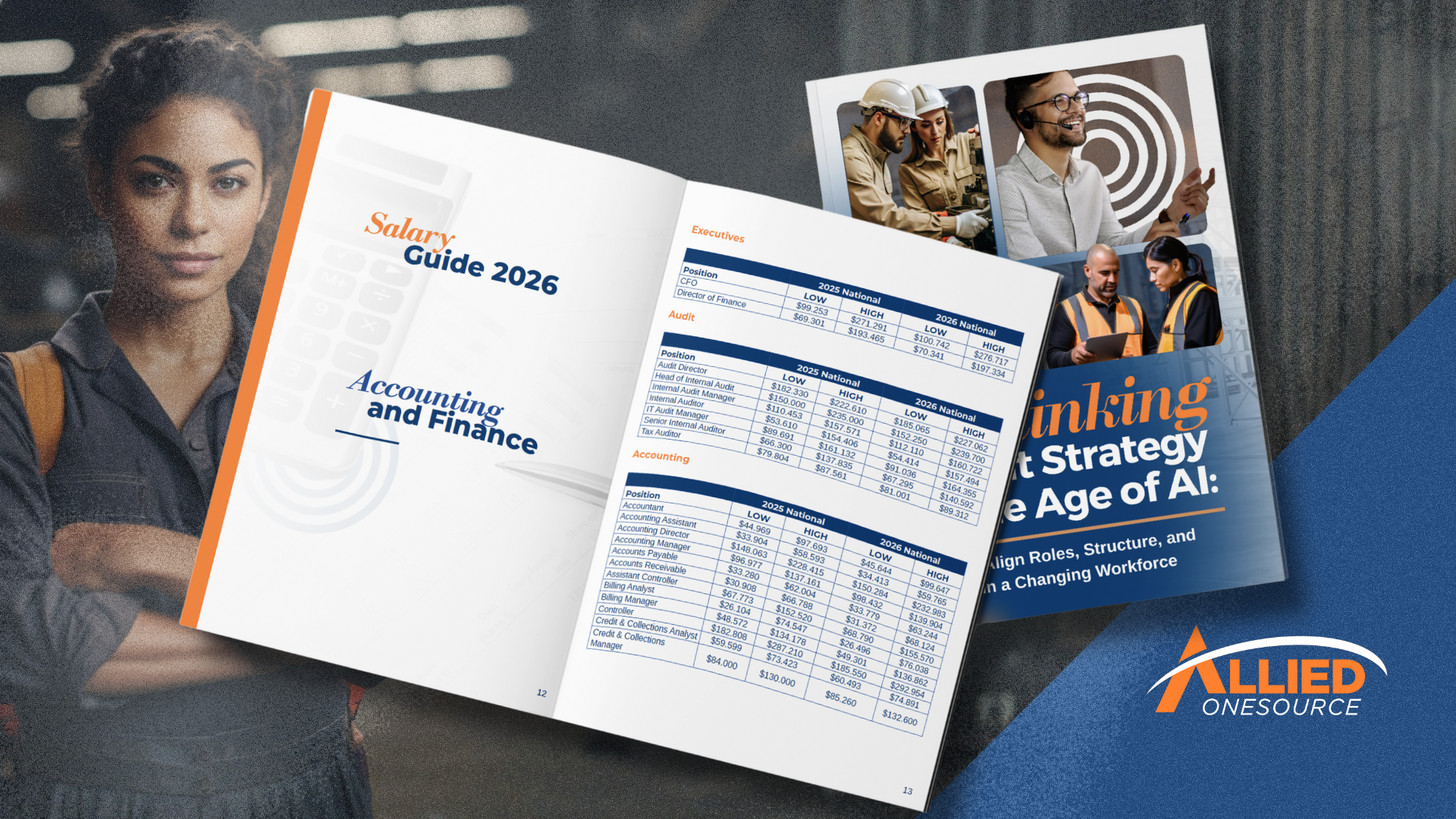
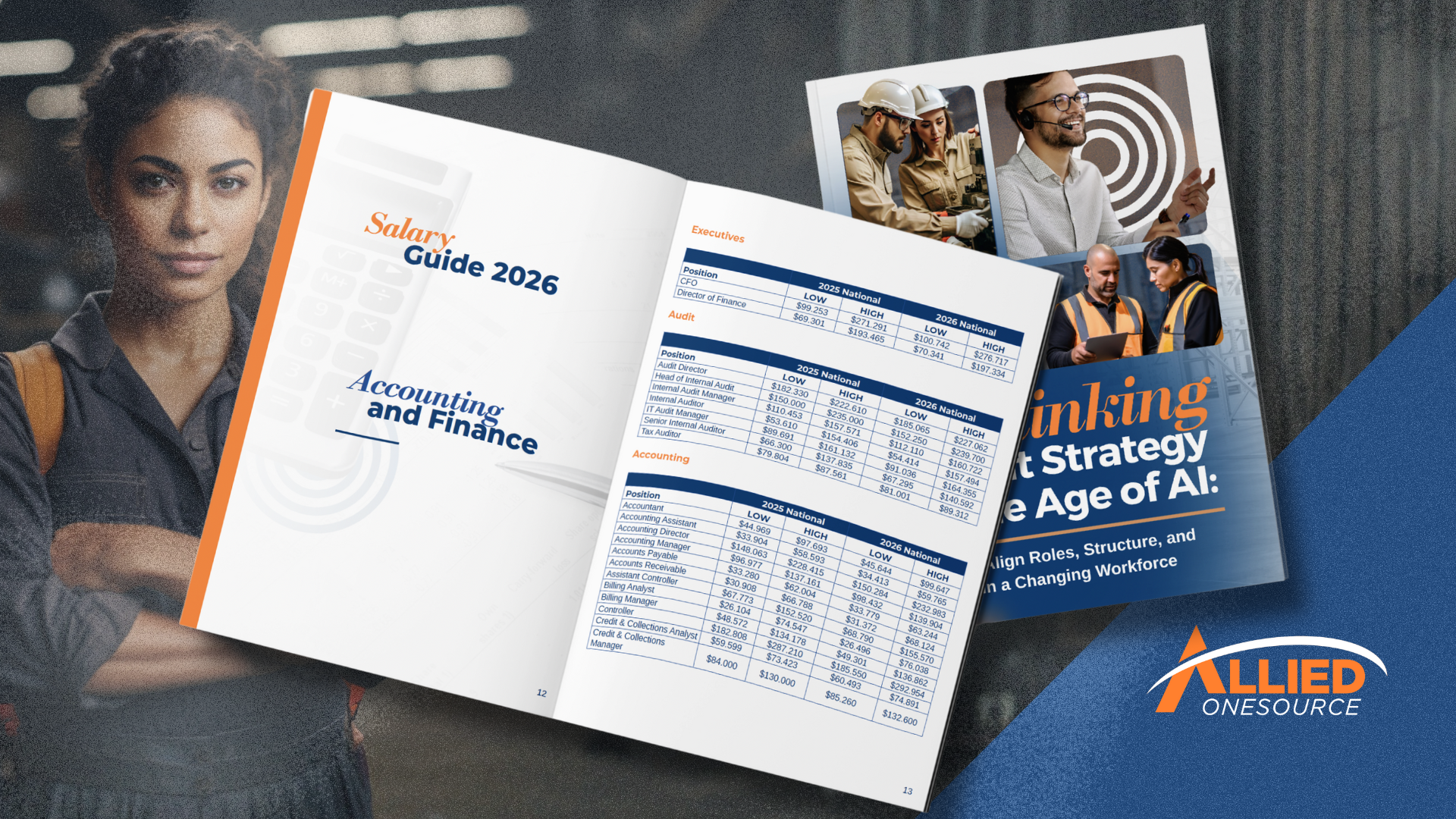
Look at job postings for roles you're targeting to see what skills are being emphasized. Check salary benchmarking tools to understand if you're compensated fairly. If there's a gap between your earnings and market rates, you'll need that data when negotiating a raise or evaluating offers.
Apply Strategically, Not Desperately
If you're planning a job search in 2026, resist the urge to submit your resume across every job board in January. Focus on quality over volume. Identify companies and roles that genuinely align with your career goals, then tailor your application materials to each opportunity. Generic applications get generic results or more often, no results at all.
Use the research you've done on salary trends and skill demands to position yourself as someone who understands where the industry is headed. Employers are looking for people who can grow with the role as it evolves. Alternatively, if you're open to contract work, temp-to-perm arrangements, or want access to opportunities that aren't publicly posted, partnering with a staffing firm can accelerate your search.
Plan Your 2026 Career with Allied OneSource
If you're ready to make a strategic career move in 2026, Allied OneSource can help you navigate the transition. We connect job seekers with employers looking for long-term talent, not just quick fills.
Whether you're exploring new industries, seeking roles with growth potential, or want insight into what skills are commanding premium pay in your field, we provide the guidance and opportunities to move your career forward. Explore our open positions or connect with our team to discuss your goals.
References
1. Maurer, Roy. “Majority of Employee Referrals Made During Work Hours: Study Confirms That Referrals Make High-Quality Candidates.” SHRM, 25 Feb. 2025, https://www.shrm.org/topics-tools/news/talent-acquisition/majority-of-employee-referrals-made-during-work-hours.
2. Singla, Alex, Alexander Sukharevsky, Lareina Yee, and Michael Chui, with Bryce Hall and Tara Balakrishnan. “The State of AI in 2025: Agents, Innovation, and Transformation.” McKinsey & Company, 5 Nov. 2025, https://www.mckinsey.com/capabilities/quantumblack/our-insights/the-state-of-ai.