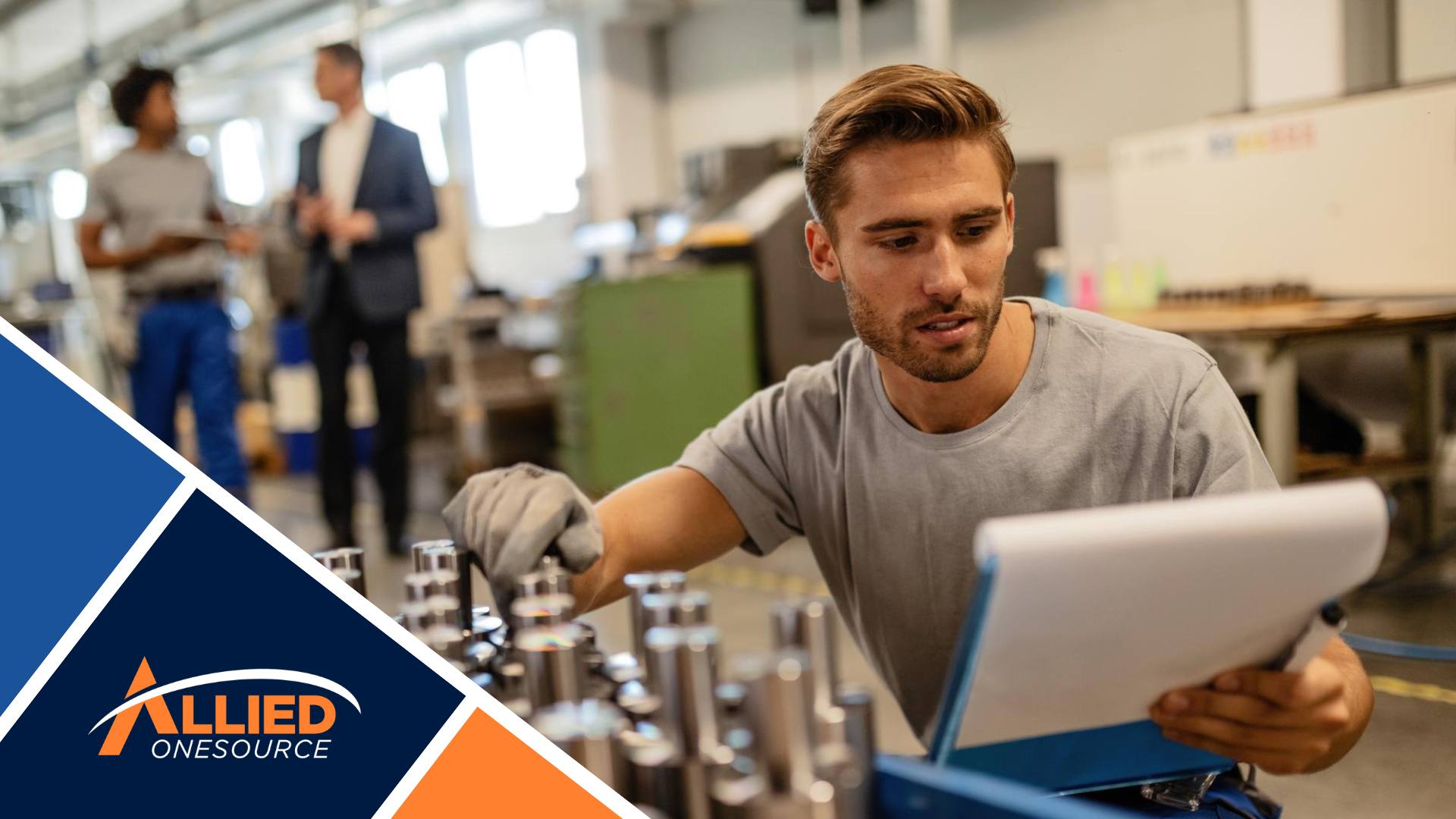
Picture this: You're hiring for a QA position in your warehouse. The resume looks perfect—5 years of experience, all the right certifications. But during the interview, you realize something's off. The candidate struggles to explain key safety protocols and seems unfamiliar with standard procedures.
Resumes can be misleading. While they might highlight qualifications, they often fail to showcase whether a candidate can truly perform in the role. In industrial positions, where hands-on skills, safety, and efficiency matter most, relying solely on resumes and interviews can lead to costly mistakes.
So, how can you ensure candidates not only look good on paper but also have the hands-on skills and knowledge to perform on the job? By conducting skills testing!
The Problem with Traditional Hiring
While resumes and interviews are common starting points, they often don’t tell the whole story. Here are reasons why hiring managers shouldn't rely on resumes alone in the recruitment process.
The Resume Skills Gap
Resumes can provide an overview of a candidate’s experience, but they often exaggerate skills or leave out key details, giving a skewed picture of their actual abilities. In industrial roles, it’s important to go beyond resumes to truly assess a candidate’s qualifications. Without this deeper dive, you risk increased training costs and safety risks. For instance, a forklift operator who lists "proficient" handling skills may struggle with basic maneuvers on the job.
To avoid mismatches, it’s essential to evaluate candidates through practical skill assessments and scenario-based tests.
Read More: Skills-Based Hiring in 2024: What Employers Need to Know About the Changing Landscape of Skills
Overlooks Hidden Talent
How can you tell if someone is truly skilled without formal education or industry certifications? Traditional hiring methods mostly focus on what’s on paper. When the focus becomes too much, you are likely to overlook candidates with valuable qualities, hands-on expertise and problem-solving skills.
When you evaluate candidates beyond what they have on paper, you uncover hidden talent and build a workforce based on their ability, not just credentials.
Benefits of Skills Assessments
Here are some of the ways skills testing aids candidate assessment.
Improved Team Dynamics
In the industrial sector, tasks are interconnected. If there’s an imbalance between skill and fit, the team will likely find it hard to be effective. Skills testing evaluates both technical and teamwork abilities.
Lower Turnover Rates
When you implement skills assessment for your hiring, your employees are more likely to be happier and stay longer as the role is a good match for their skills. In fact, research shows that 89 percent of employers report higher retention rates for employees hired through skills-based hiring.¹ Think about it—employees are people, not just workers.
When their skills align with the role, they feel more valued and motivated, leading to higher job satisfaction, better performance, and lower turnover. In the long run, this saves your company time, effort, and resources.
Increased Productivity
Skills assessment for industrial roles is like a test drive before buying a car—it ensures candidates can handle the job’s specific tasks. When candidates have the required skills, you reduce the learning curve and improve their efficiency on the job.
How to Conduct Skills Testing in Your Talent Acquisition Process
Here's how you can integrate skills testing to find the right candidate.
1. Identify the Right Skills Required for the Role
Know what is needed to match skills to job requirements to reduce mismatches and select candidates who can perform well from day one. Create a checklist:
Hard Skills: Consider the specific technical abilities that apply to the job such as equipment operation, software proficiency, or quality control procedures.
Soft Skills: Don’t forget interpersonal abilities like teamwork, communication, and problem-solving that determine workplace collaboration.
2. Implement Hard and Soft Skills Tests
This ensures that candidates have the competencies required for a role.
Hard skills tests measure a candidate’s technical abilities, knowledge of industry-specific tools, or adherence to safety protocols. For example, you can conduct a practical forklift operation test where a candidate will perform tasks like lifting, transporting, and stacking items while checking for safety and precision compliance.
Meanwhile soft skills tests evaluate more subjective competencies, such as how candidates work with others, respond to challenges, or adapt to change. For instance, if you want to assess a candidate’s communication, collaboration, and conflict-resolution skills, set up a team disagreement scenario and ask candidates to collaborate with others or work through the situation.
3. Integrate Different Test Phases
The purpose of skills testing is to focus on proven abilities rather than relying solely on resumes, credentials, or personal impressions. Even candidates with the best resumes may not fit the role best. Here’s a structured approach to breaking down tests in the hiring process.
Pre-Screening Tests
This filters out unqualified candidates by assessing key requirements like technical knowledge and basic soft skills.
- Cognitive ability tests
- Personality tests
- Technical skills
- Attention to detail
Administer these after receiving applications or resumes to filter out unqualified candidates before moving on to more in-depth evaluations.
Job-Specific Skills Evaluation
This helps test the candidate’s proficiency in specific skills directly related to the open role. It is a way to dive deeper into their ability to perform key tasks required for the job either through practical tests or real-life simulations.
This should be done after the first interview or once candidates pass the initial pre-screening tests. It ensures the candidate can perform the essential duties of the role.
Final Soft Skills Assessment
Conduct this during the final interview or in the later stages of the hiring process to assess how well candidates will fit into the team and handle real-world challenges. Determine their:
- Communication
- Teamwork
- Adaptability
- And critical thinking skills
4. Leverage Technology for Skills Testing
Did you know you can use technology to test skills for industrial roles? For instance, digital tools like Criteria Corp and TestGorilla let you create customized tests for hard and soft skills while AI-powered simulations from platforms like Harver allow you to use AI to simulate real-life tasks and assess cognitive and emotional abilities
In addition, you can turn evaluations into interactive tests with engaging games while measuring skills like problem-solving and adaptability in a stress-free environment.
5. Track and Measure Results of Skills Testing
Take the time to focus on candidate performance and what you set to achieve in the long run, so you can know the effectiveness of your skills testing process. Some of the candidate performance metrics to look out for are
- Test scores: Check what the average scores are across different sections to identify patterns and skill gaps.
- Completion Rates: This checks how many candidates complete the assessments to know where candidates are having a bad user experience.
- Time-to-Complete: Evaluate whether candidates complete tests within the expected timeframe.
- Pass/Fail Rates: Analyze performance thresholds and adjust tests if pass rates are too high (too easy) or too low (too difficult).
Additionally, focus on success indicators to determine whether hires who performed well in tests meet performance goals or have lower turnover rates.
Were candidates who performed well in tests more likely to meet performance goals within their first few months? Did you notice a drop in turnover rates for hires tested against specific skills? Were they satisfied with the experience?
These are some key questions to ask yourself as you review the success indicators. Once you're aware of what worked well and what didn’t, it’s time to improve your hiring process. Keep refining your process to ensure you’re hiring the best-fit candidates and improving efficiency with every hire.
Get Talent for High-Impact Industrial Hires
Resumes alone are no longer enough for your needs. Skills testing is the way to go beyond what’s listed on paper. With the right assessments in place, every hire will be equipped to succeed from day one. Start identifying key roles where skills testing is needed, check testing platforms that match your needs and slowly integrate skills testing in your hiring process.
Don’t let traditional hiring methods hold you back. At Allied OneSource, we have the expertise to support firms like yours to give you a competitive edge and secure top talent. Ready to take your hiring process to the next level? Contact us today to stay ahead!
Reference
1 TestGorilla. “The State of Skills-Based Hiring 2023 Report - TestGorilla.” TestGorilla, 23 Nov. 2023, www.testgorilla.com/skills-based-hiring/state-of-skills-based-hiring-2023.