Why AI Won’t Replace Your Workforce
Every conversation about AI in workforce strategy eventually circles back to the same fear: will we be managing robots instead of people? The headlines don't help. Stories about automation eliminating jobs fuel anxiety among leaders trying to figure out what their teams will look like in three years.
But the data tells a different story. AI is projected to create 170 million jobs globally by 2030, far exceeding the 92 million lost.¹
Technology isn't erasing your workforce. It's changing what work looks like and who does what. And companies that understand this distinction are the ones building competitive advantage while others panic about replacement.
AI in the Workforce: What's Really Changing
AI adoption is happening now. In 2024, 78 percent of organizations reported using AI in at least one business function, up from 55 percent just the year before.² The shift is accelerating faster than most workforce plans can keep up with.
Here's where AI is being deployed:
- Customer Service: Chatbots handle tier-one inquiries while human agents focus on complex problems requiring empathy or negotiation
- Operations: Predictive analytics optimize scheduling and inventory, but managers make final calls when predictions conflict with business realities
- HR and Recruiting: Automated systems screen resumes and schedule interviews while recruiters evaluate cultural fit and potential
The pattern is consistent: AI handles repetitive, data-heavy tasks while humans tackle work requiring context, relationships, and judgment calls.
Why Human Judgment Still Leads
The fear that AI will replace workers assumes technology can handle the full scope of most jobs. It can't. Jobs require context, relationships, and judgment calls that change constantly.
AI Excels at Tasks, Not Jobs
AI processes data and automates workflows efficiently, but it can't navigate workplace complexity. It screens resumes but can't evaluate team culture fit or leadership potential. Technology executes tasks. Humans manage everything around them.
The Work Can’t Run on Autopilot
Not all work responds to AI the same way. We've developed a framework showing which roles need human leadership versus AI autonomy.
| Camp 1: Ironman Approach (80%) | Camp 2: Autonomous Approach (20%) |
|---|---|
| Human-led, AI-augmented | AI-led, human oversight |
| Person drives decisions, AI supports | AI handles workflow; human manages exceptions |
| Example: Agents managing escalations with AI insights; project managers using AI to track timelines | Example: Automated inventory with human approval, resume screening with recruiter review |
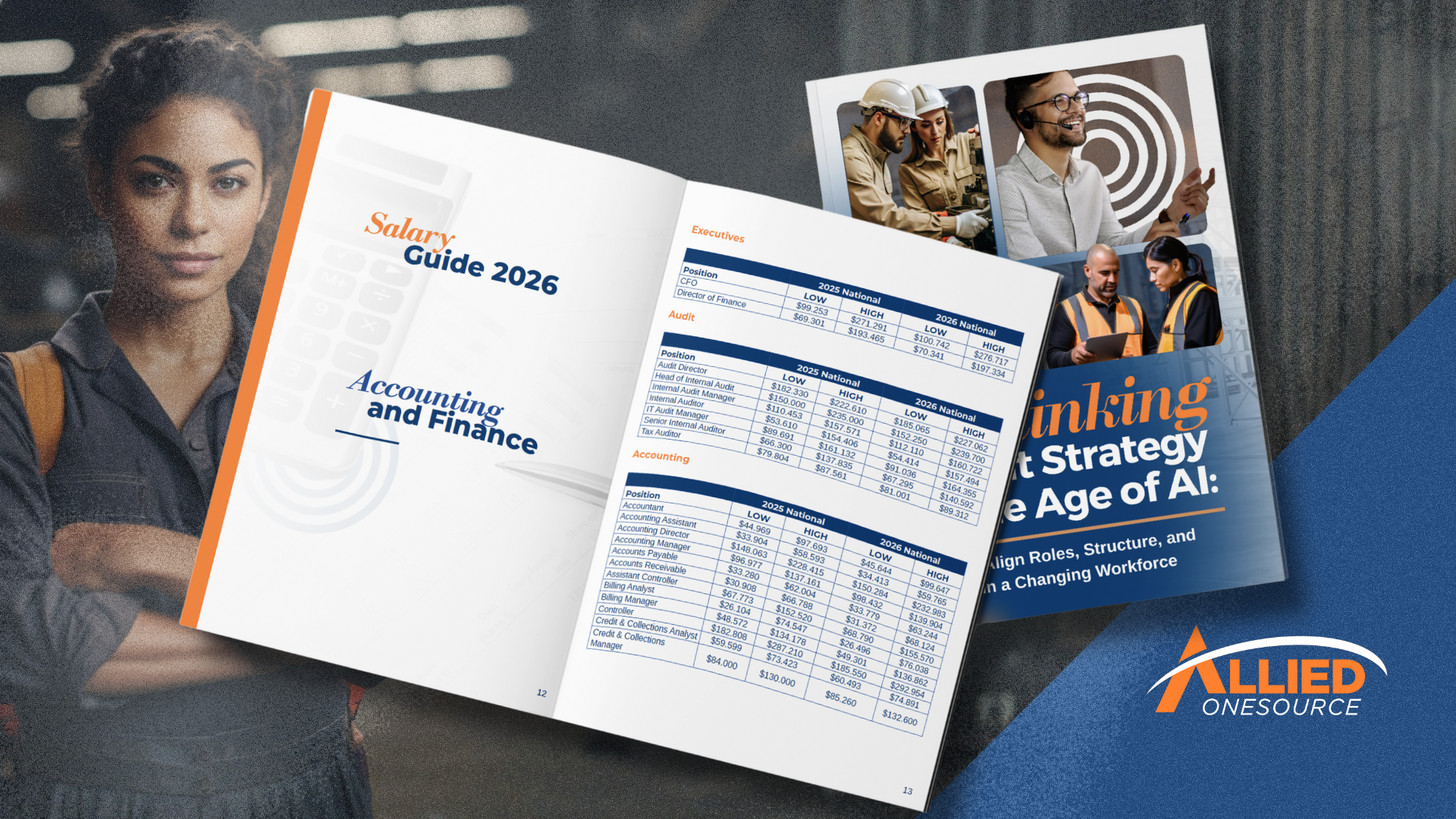
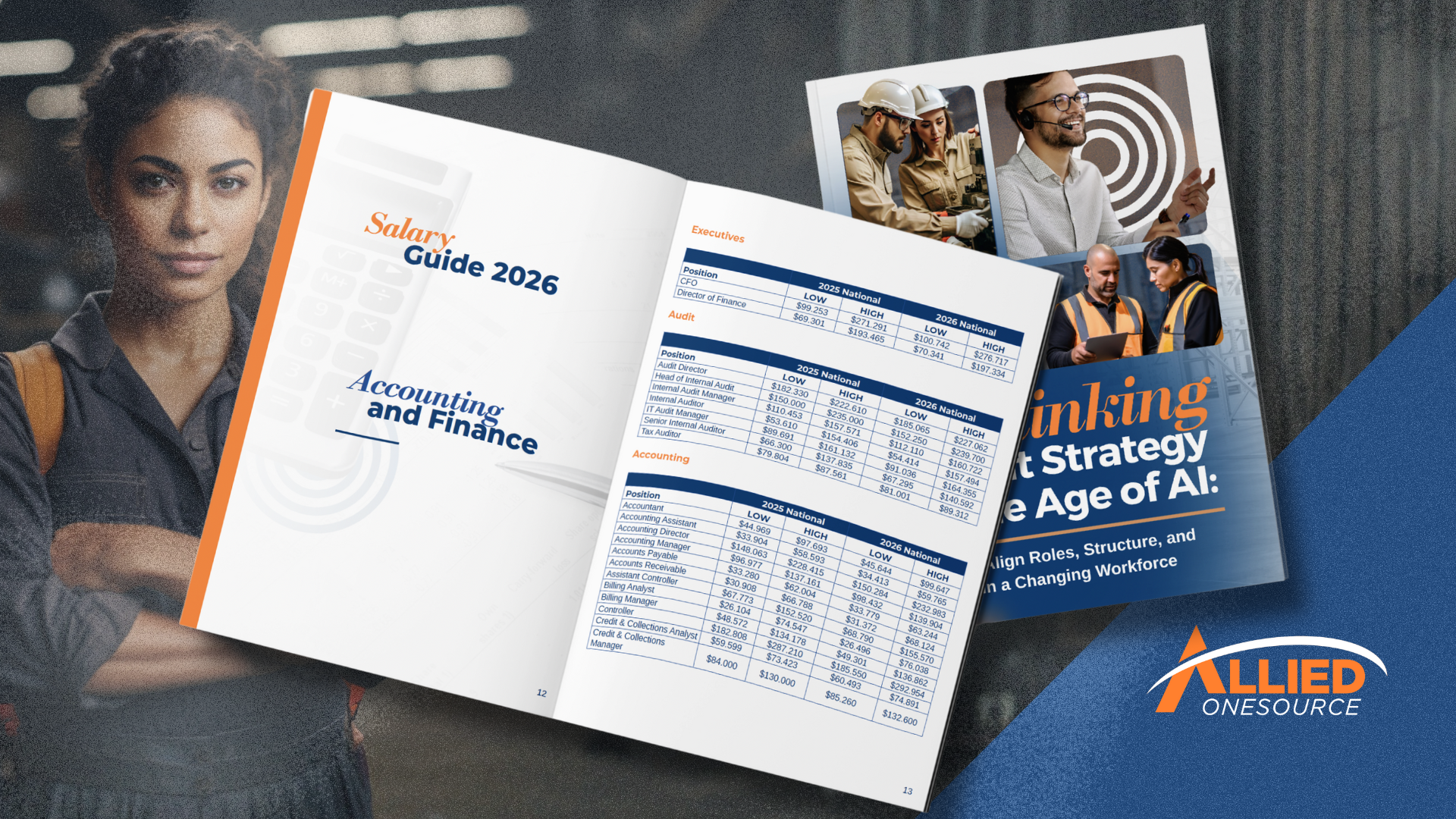
Most work still requires human judgment and relationship management. For deeper role assignment criteria and salary implications, check out our Salary Guide.
AI Projects Fail Without People Strategy
Technology without workforce alignment fails. Only 5 percent of AI pilot programs achieve meaningful ROI; the rest stall.³ The issue isn't AI quality. It's the learning gap between purchasing tools and preparing teams to use them. Successful implementations empower line managers, integrate tools deeply, and train before deployment.
How to Hire for AI-Augmented Roles
Hiring in an AI-augmented workplace means screening for different capabilities than traditional job descriptions capture. Here's what actually matters.
Read More: Hiring for the Future: How AI and Predictive Analytics Are Changing Workforce Planning
Hire for Adaptability, Not Just Technical Skills
Technology changes faster than job descriptions. Look for candidates who've successfully navigated transitions before, people who learned new systems, adjusted to process changes, or took on responsibilities outside their original role.
Ask about times they had to figure something out without formal training. Adaptability predicts success in AI-augmented roles better than technical certifications alone.
Screen for AI Collaboration Mindset
Some workers see AI as a threat to avoid. Others see it as a tool to leverage. During interviews, ask candidates how they've used technology to improve their work or solve problems. Gauge their comfort with learning new systems and their willingness to experiment. You're not looking for AI experts, you're looking for people who won't resist working alongside intelligent systems.
Update Job Descriptions to Reflect Hybrid Responsibilities
If your job postings still describe pre-AI workflows, you're attracting the wrong candidates. Specify which tasks involve AI collaboration—"uses predictive analytics to inform scheduling decisions" or "leverages AI-generated customer insights during service calls." This signals you're hiring for the actual role, not an outdated version of it.
Train Existing Staff Before Replacing Them
Your current employees already understand your operations, culture, and clients. Before hiring externally for AI-augmented roles, invest in upskilling your team. Research shows AI boosts productivity and narrows skill gaps across workforces.⁴ Training costs less than turnover, and experienced workers who gain new technical skills often outperform external hires who lack institutional knowledge.
Partner with a Staffing Firm That Understands AI-Era Hiring
Not all staffing partners grasp how AI reshapes role requirements. Work with firms that can assess candidates for adaptability, AI collaboration mindset, and hybrid skill sets not just traditional qualifications. The right partner helps you identify talent prepared for AI-augmented work instead of screening for outdated criteria.
Allied OneSource Can Help You Look for People Who Make It Work
AI in workforce strategy isn't about choosing between technology and talent. It's about understanding that one doesn't work without the other. AI is here to stay, but it's your people who power performance. Let Allied OneSource help you future-proof your workforce with staffing strategies built for hybrid, AI-augmented roles.
From role audits to smarter hiring that accounts for tech collaboration skills, we connect you with talent prepared for where work is headed. Reach out today for expert insights on building teams that succeed in an AI-augmented world.
References
1. Leopold, Till. Future of Jobs Report 2025: The Jobs of the Future – and the Skills You Need to Get Them. World Economic Forum, 8 Jan. 2025, https://www.weforum.org/stories/2025/01/future-of-jobs-report-2025-jobs-of-the-future-and-the-skills-you-need-to-get-them/.
2., 4. The 2025 AI Index Report. Stanford Institute for Human-Centered Artificial Intelligence, https://hai.stanford.edu/ai-index/2025-ai-index-report.
3. Estrada, Sheryl. “MIT Report: 95% of Generative AI Pilots at Companies Are Failing.” Fortune, 18 Aug. 2025, https://fortune.com/2025/08/18/mit-report-95-percent-generative-ai-pilots-at-companies-failing-cfo/.